Korean vs Western Dermatology: Full Comparison
Korean vs Western Dermatology: Full Comparison
Dermatology in Korea and Western countries follows very different philosophies, treatment styles, and patient expectations. While both aim to improve skin health, Korea focuses on preventive care and gradual enhancement, whereas Western dermatology often prioritizes medical treatment and corrective procedures. Understanding these differences can help you choose the right approach based on your goals.
What Is Korean Dermatology?
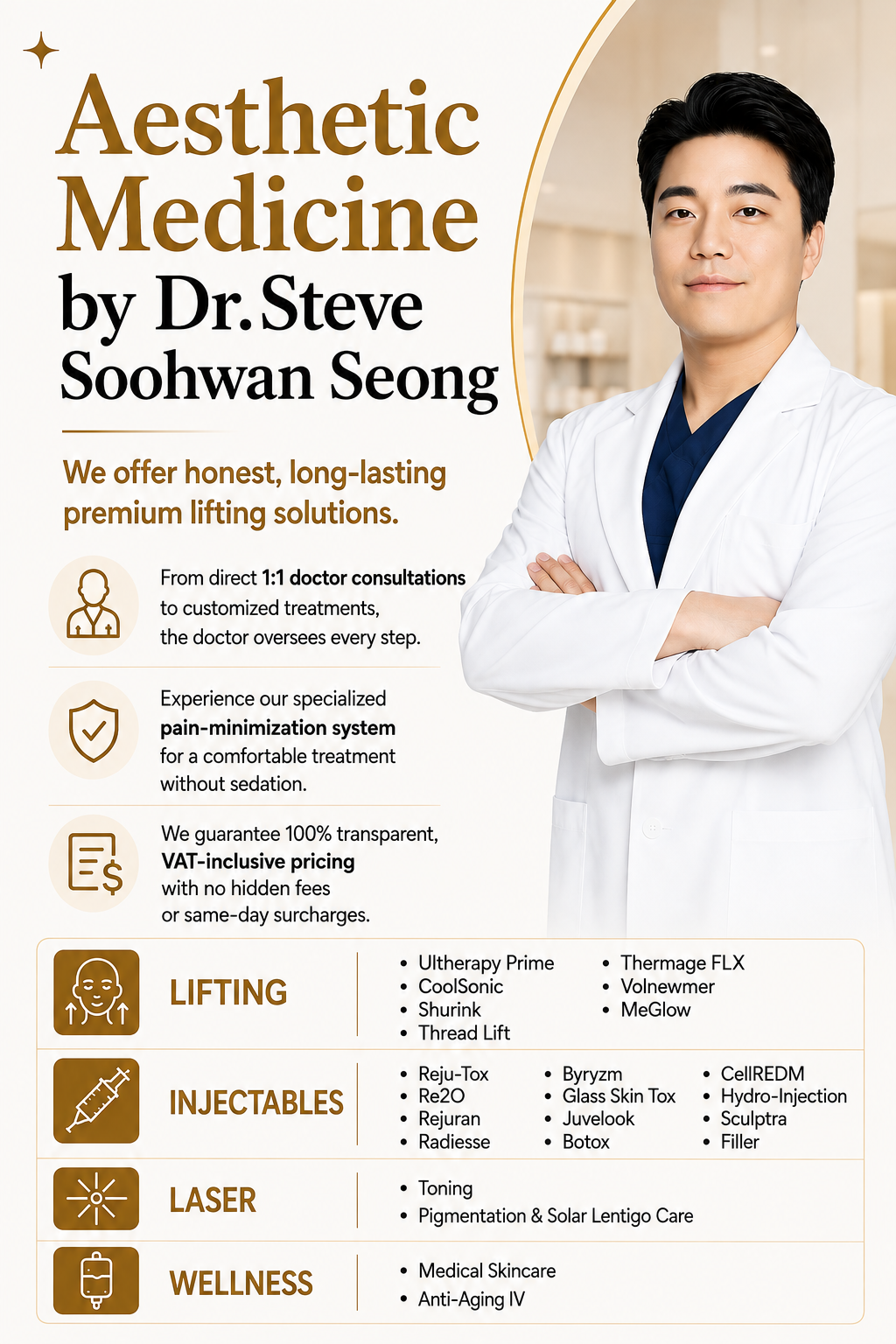
Korean dermatology is centered around skin quality, maintenance, and long-term improvement. Instead of treating only major concerns, it emphasizes consistent care and combination treatments.
- Frequent use of lasers for tone, texture, and pores
- Preventive treatments before problems become severe
- Layered procedures (laser + skincare + injectables)
- Focus on achieving clear, glowing “glass skin”
Treatments are typically milder but performed more regularly.
What Is Western Dermatology?
Western dermatology is more medical and condition-focused, often addressing specific skin issues with targeted treatments.
- Strong emphasis on prescription medications
- Focus on treating acne, rosacea, eczema, and skin diseases
- Fewer combination aesthetic treatments in one session
- More aggressive procedures for faster, visible correction
It is highly effective for diagnosing and managing medical skin conditions.
Philosophy and Treatment Approach
The biggest difference lies in overall philosophy:
- Korean dermatology: prevention, maintenance, gradual enhancement
- Western dermatology: diagnosis, correction, and treatment of conditions
Korea treats skincare as a routine lifestyle, while Western systems often focus on problem-solving when issues arise.
Technology and Treatment Style
- Korea: Rapid adoption of the latest laser and energy-based devices, often combining multiple technologies in one visit
- West: Slower adoption cycle, with heavier reliance on clinically proven, standardized treatments
Korean clinics are more likely to offer customized multi-step sessions, while Western clinics may keep treatments more segmented.
Treatment Experience and Frequency
- Korea:
- Short sessions (30–60 minutes)
- Minimal downtime
- Regular visits (weekly or monthly)
- West:
- Longer intervals between treatments
- More intensive single procedures
- Higher reliance on at-home prescriptions
This makes Korean dermatology ideal for ongoing skin maintenance, especially for travelers.
Cost and Accessibility
- Korea:
- More affordable due to high competition
- Package pricing for multiple sessions
- Easier access to premium devices
- West:
- Higher cost per session
- Insurance may cover medical treatments
- Aesthetic treatments can be significantly more expensive
Korea offers a better balance for cosmetic procedures, while Western systems excel in insurance-backed medical care.
Results and Expectations
- Korea:
- Gradual, natural-looking improvements
- Focus on skin clarity, brightness, and smooth texture
- Results build over multiple sessions
- West:
- Faster, more dramatic correction
- Strong results for specific conditions
- Less emphasis on subtle maintenance
Your preference depends on whether you want instant correction or long-term refinement.
Which Is Better for You?
Choosing between Korean and Western dermatology depends on your goals:
Choose Korean dermatology if you want:
- Glowing, even-toned skin
- Preventive care and maintenance
- Affordable, repeated treatments
Choose Western dermatology if you want:
- Treatment for medical skin conditions
- Prescription-based care
- Faster correction of severe issues
Many people benefit from combining both approaches for optimal results.
Final Thoughts
Korean and Western dermatology are not competitors but complementary systems with different strengths. Korea leads in innovation, customization, and aesthetic maintenance, while Western dermatology remains essential for medical diagnosis and treatment. Understanding these differences allows you to make smarter decisions and create a skincare plan that truly fits your needs.