Medical Tourism in Korea: Full Guide
Medical Tourism in Korea: Full Guide
South Korea has become one of the world’s leading destinations for medical tourism, especially in dermatology, plastic surgery, and non-surgical aesthetic treatments. Cities like Seoul—particularly areas such as Gangnam—are known for combining advanced technology, experienced practitioners, and competitive pricing.
Why Korea Is Popular for Medical Tourism
Several factors make Korea a global hub:
- Advanced medical technology and devices
- Highly specialized aesthetic and dermatology clinics
- Competitive pricing compared to the US and Europe
- Strong focus on natural, refined results
- High volume of procedures → experienced practitioners
Korea is especially known for skin treatments, facial contouring, and anti-aging procedures.
Most Popular Treatments for Foreigners
International patients commonly visit Korea for:
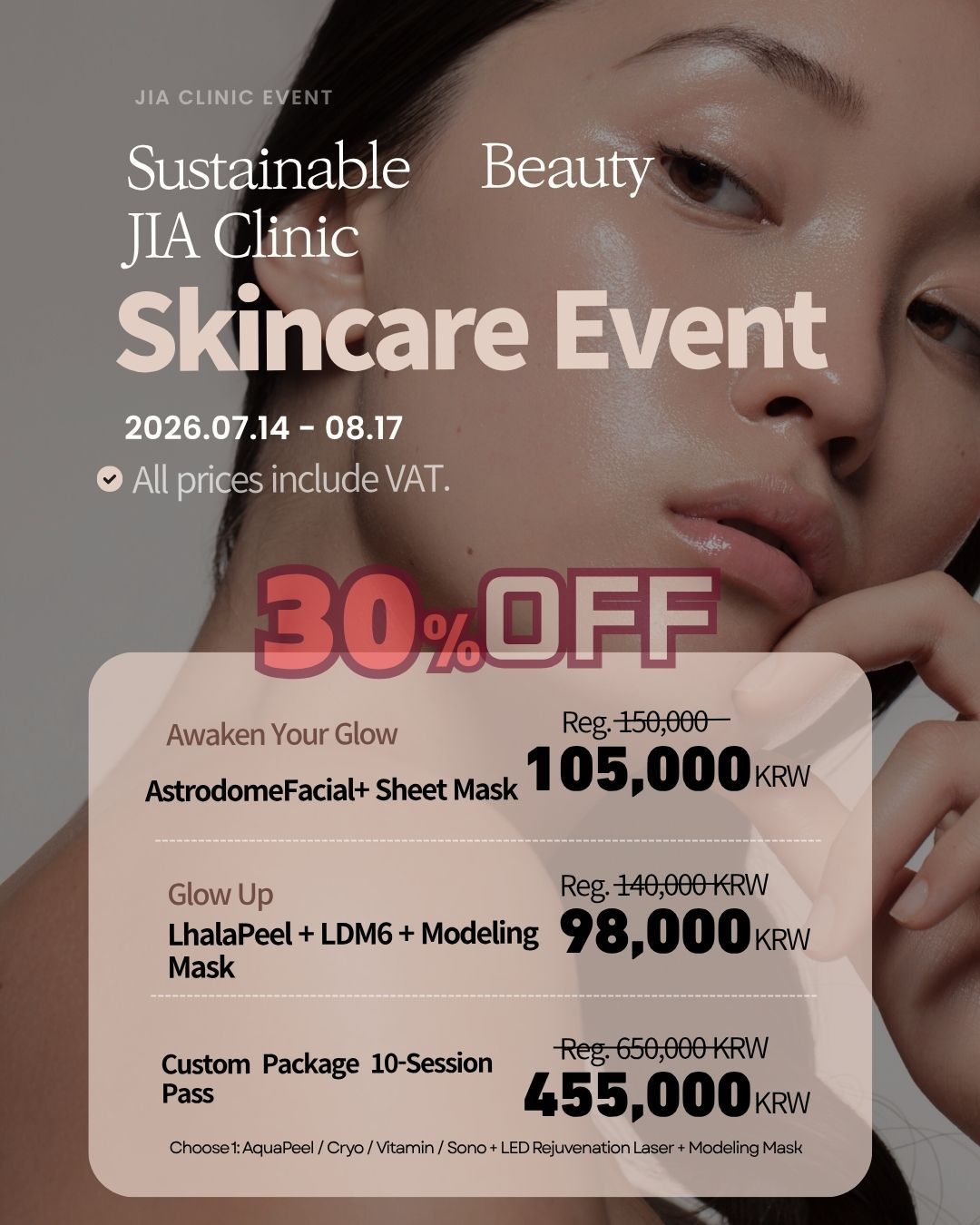
- Laser treatments (pigmentation, acne, pores)
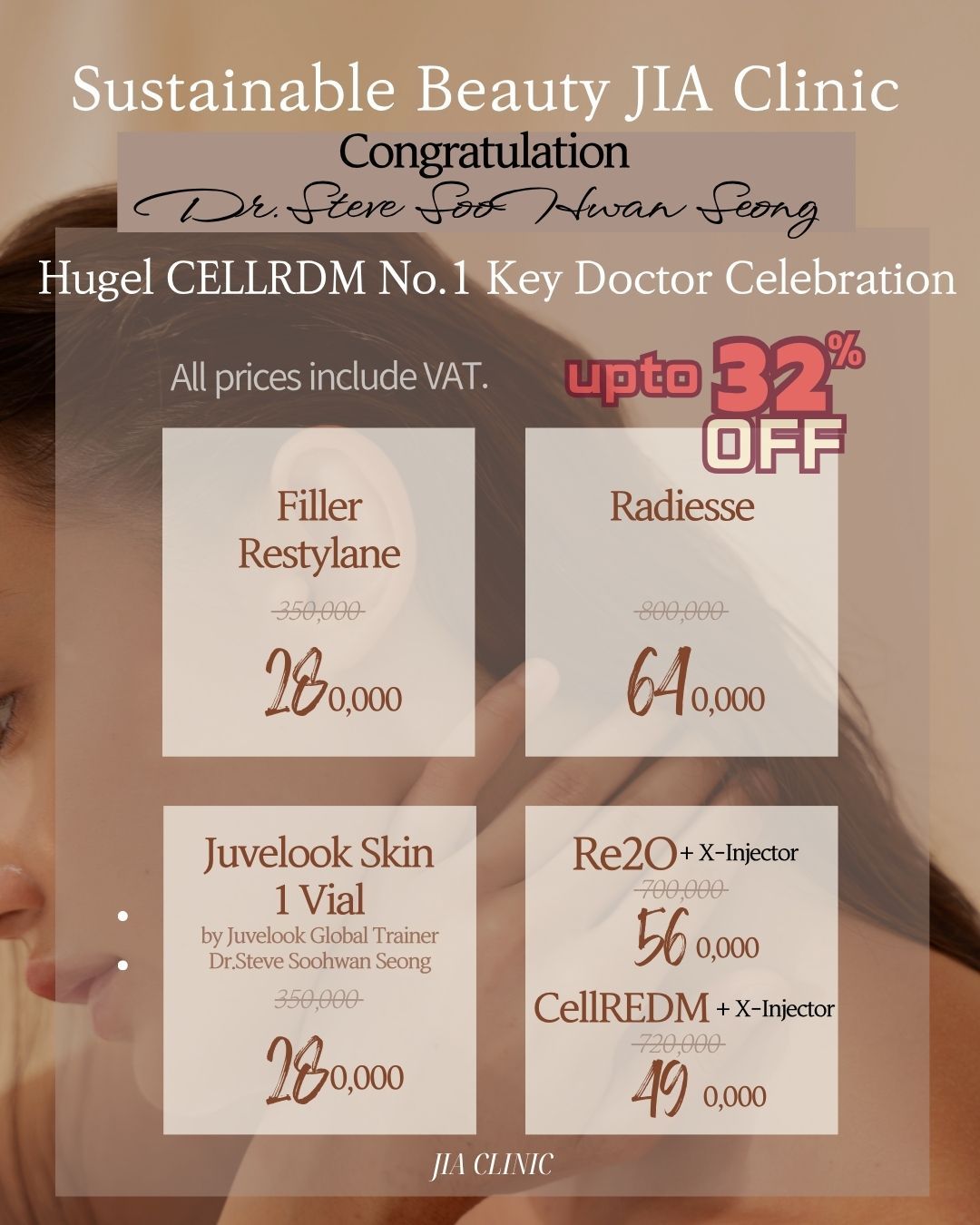
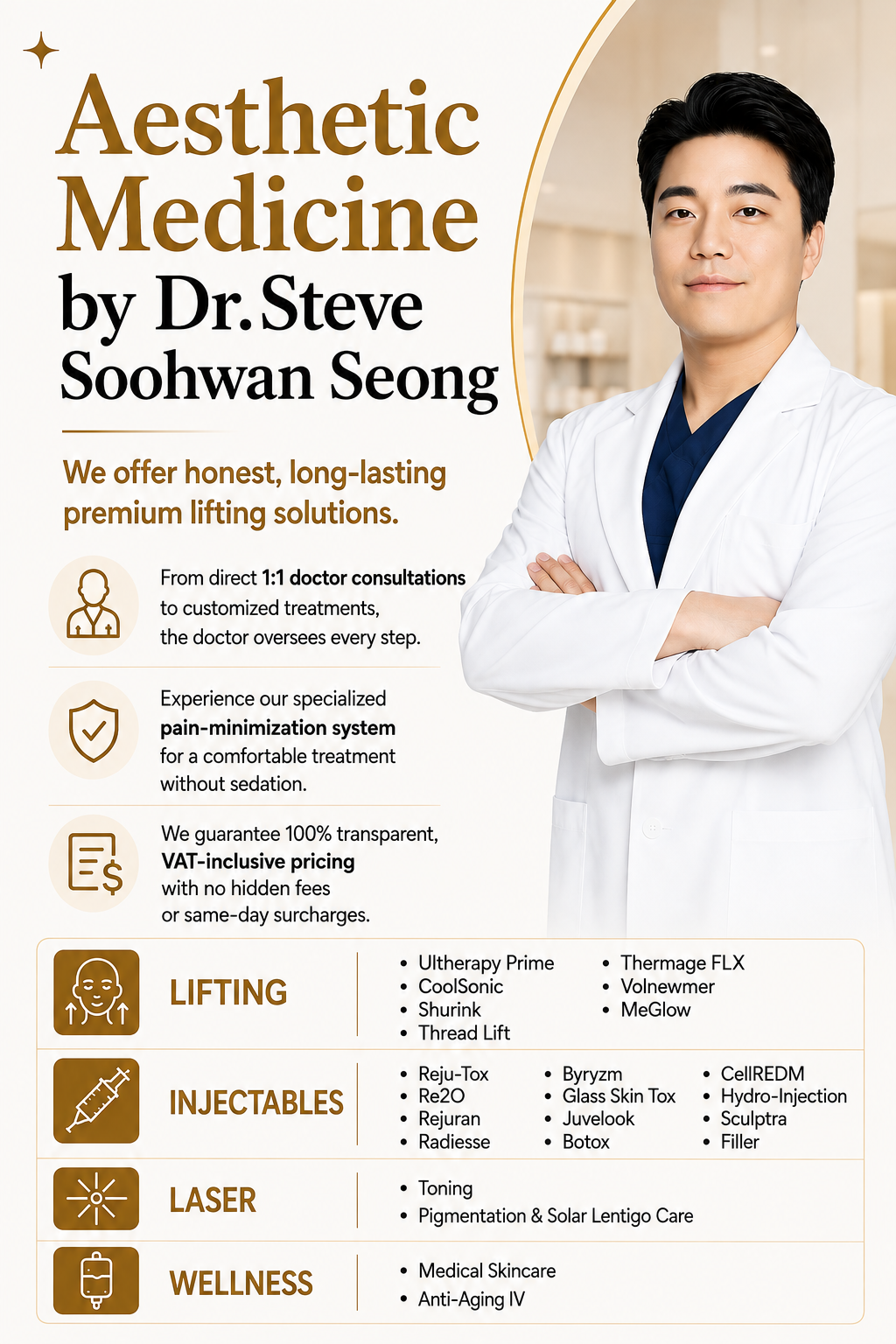
- Skin boosters (Rejuran, Juvelook, exosomes)
- Botox and dermal fillers
- Ultherapy and Thermage (lifting treatments)
- Acne and acne scar treatments
- Plastic surgery (eyes, nose, facial contouring)
Many clinics offer combination treatment packages tailored for short stays.
Cost Advantages
Korea is significantly more affordable than Western countries.
- 50–70% lower cost compared to the US
- Package deals for multiple sessions
- Transparent pricing in many clinics
- High competition keeps prices competitive
Even including travel costs, many patients find Korea cost-effective overall.
How the Process Works
Typical medical tourism journey:
- Online consultation before arrival
- Treatment planning and booking
- Arrival in Korea and in-person consultation
- Treatment or procedure
- Short recovery period
- Follow-up or aftercare
Many clinics streamline this process for international patients with limited time.
Best Areas for Clinics
Top locations in Seoul:
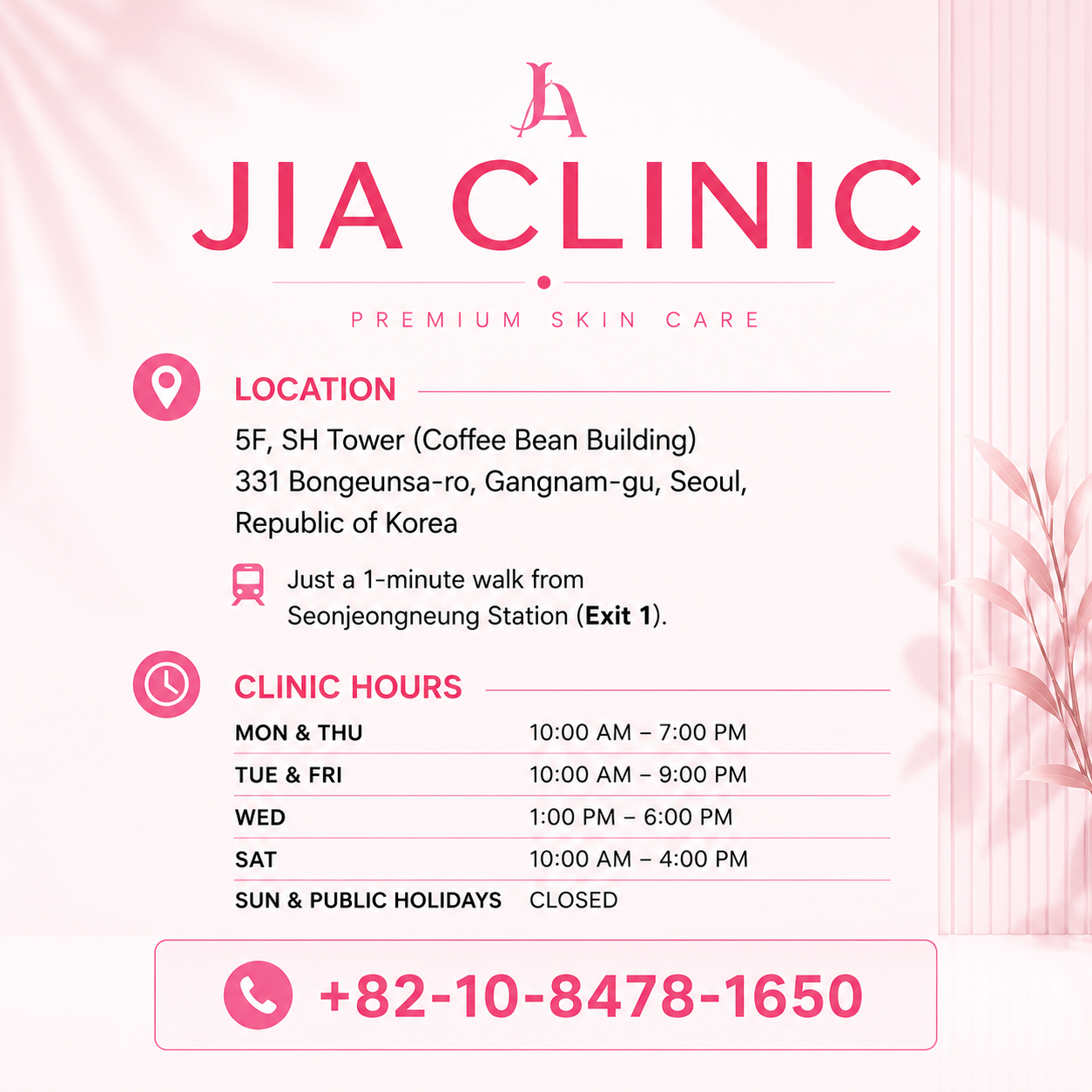
- Gangnam → high concentration of premium clinics
- Myeongdong → tourist-friendly clinics
- Apgujeong → upscale aesthetic centers
Each area offers different balances of price, convenience, and clinic level.
Language & Communication
Many clinics provide:
- English-speaking staff or translators
- Multilingual consultation services
- International patient coordinators
However, communication quality can vary, especially in budget clinics.
Recovery & Travel Planning
Important considerations:
- Some treatments require multiple sessions
- Downtime varies (none → 1–2 weeks depending on procedure)
- Avoid scheduling major procedures right before flights
- Plan extra days for swelling or follow-up
Proper timing is crucial for safe and optimal results.
Safety & Regulations
Korea has a well-regulated medical system, but you should still:
- Verify clinic credentials and doctor qualifications
- Confirm device authenticity (important for lasers and lifting devices)
- Avoid extremely low prices that seem unrealistic
- Understand your treatment plan fully before proceeding
Safety depends on clinic quality, not just country reputation.
Hidden Costs to Watch
Beyond treatment price:
- VAT (10%)
- Aftercare products
- Additional sessions if needed
- Upgrades (shots, product amount, premium devices)
- Accommodation and travel expenses
Always calculate total treatment cost, not just base price.
Who Should Consider Medical Tourism in Korea?
Korea is ideal if you:
- Want high-quality treatments at lower cost
- Are open to multiple sessions or combination therapy
- Prefer natural-looking aesthetic results
- Can stay at least a few days (or revisit if needed)
It may be less ideal if you need long-term follow-up in your home country.
Final Thoughts
Medical tourism in Korea offers a powerful combination of cutting-edge treatments, experienced providers, and competitive pricing. With proper planning and clinic selection, patients can achieve excellent results while minimizing risks—making Korea one of the top global destinations for aesthetic and dermatological care.